Decision Making Algorithm Based on Fermatean Fuzzy Schweizer-Sklar Power Average Operator and Its Application in Selection of Sustainable Health Care Waste Management Technique
Pooja Yadav1, Reeta Bhardwaj1, Subramanian Petchimuthua2 and Kamal Kumar1,*
1Department of Mathematics, Amity University Haryana, Gurugram, 122413, Haryana, India
2Department of Science and Humanities (Mathematics), University College of Engineering Nagercoil, Nagercoil-629004, Anna University, Tamil Nadu, India
Email: poojayadavnm27@gmail.com; bhardwajreeta84@gmail.com; svmuthu1983@gmail.com; kamalkumarrajput92@gmail.com
*Corresponding Author
Received 21 November 2025; Accepted 22 December 2025
Abstract
Hospitals and other health care facilities produce health care waste (HCW), which poses risks to health care personnel, patients, the public, and the environment. Its complex makeup, including infectious pathogens and dangerous compounds, necessitates expert treatment to reduce health and environmental concerns. In numerous developing nations, healthcare waste disposal management has emerged as one of the most rapidly escalating concerns for urban towns and health care providers. Therefore, identifying the most sustainable HCW management technique (HCWMT) is a challenging endeavor due to the multitude of possibilities, criteria, and stringent governmental regulations governing HCW disposal. Therefore, this paper presents a multiattribute decision making (MADM) algorithm under the Fermatean fuzzy numbers (FFNs) environment to select the optimal HCWMT. To achieve this, we propose the Fermatean fuzzy Schweizer-Sklar power average (FFSSPA) aggregation operator (AO) and the Fermatean fuzzy Schweizer-Sklar power weighted average (FFSSPWA) AO for aggregating the FFNs by combining the features of power averaging AO and Schweizer-Sklar t-norm and t-conorm. The proposed FFSSPA AO and FFSSPA AO adjusts the influence of each input dynamically, taking into account its relative importance or reliability. However, based on the proposed FFSSPWA AO, we propose a MADM algorithm under the FFNs environment. Afterwards, we consider a mathematical case study for the assessment of sustainable HCWMTs and demonstrate the practical applicability of the proposed MADM algorithm. In this case study, five potential alternatives for sustainable health care waste management techniques (HCWMTs): “Mechanical Biological Treatment”, “Hydrothermal Carbonization”, “Incineration”, “Microwaving”, and “Chemical Disinfection”, which are evaluated based on seven attributes: “Environmental hazard”, “Health risk”, “Investment cost”, “Operation and maintenance cost”, “Revenue generation”, “Public acceptance”, and “Requirement of skilled labor”. The proposed algorithm identifies “Chemical Disinfection” as the most appropriate sustainable HCWMT for this case. Finally, we present two numerical examples to demonstrate the superiority and validity of the proposed MADM algorithm compared to existing MADM algorithms.
Keywords: Health care waste, Waste management, Fermatean fuzzy sets, Schweizer-Sklar norm, MADM.
1 Introduction
Every developing economy has faced significant challenges with regard to the management and treatment of waste from hospitals and other health care facilities. The environment and public health may be at risk from improper health care waste (HCW) management. According to Ho [16], if clinical waste is not properly handled, it might spread a number of fatal illnesses, such as HIV and hepatitis B and C. Approximately of the waste produced by healthcare operations is regular, non-hazardous waste, just like domestic rubbish. The remaining is categorized as hazardous substance, which could be carcinogenic, corrosive, reactive, infectious, radioactive, or flammable [8]. Despite the fact that some 16 billion vaccinations are administered globally each year, not all syringes and needles are properly disposed of after use. Thus, it can be said that improper medical waste management seriously jeopardizes public health. Because of the exponential development of HCW brought on by growing disease, managing it effectively has become extremely difficult, requiring creative solutions and sustainable methods to lessen the effects on the environment and human health. The most popular techniques for HCW management, such burning and dumping plastic waste, have detrimental consequences on groundwater, air quality, soil integrity and human health etc [9]. It is also critical to emphasize the necessity of sustainable activities like recycling and minimizing single-use items. Nonetheless, it is critical to recognize that recycling is not a complete solution to the problem. Investing in current treatment methods such as “ Mechanical Biological Treatment”, “Hydrothermal Carbonization”, “Incineration”, “Microwaving”, and “Chemical Disinfection” is critical for effectively managing HCW and mitigating associated environmental and health risks. Healthcare specialists and municipalities face a strategic challenge in determining the best sustainable technique for HCW management. To choose the best sustainable HCW management technique (HCWMT) on the basis of the multiple criteria forming a typical multiattribute decision making (MADM) problem.
IN MADM process, to assess the HCWMTs, the main problem is to gathering correct data for HCWMTs under the different attributes due to restrictions, lack of knowledge, human error, and inconsistency in the situation. To address these challenges, fuzzy set (FS) theory [35] and its extensions, such as intuitionistic fuzzy set (IFS) [4], Pythagorean fuzzy set (PFS) [34] and Fermatean fuzzy sets (FFS) [30] have been widely used by the researchers. The FFS is the generalization of the IFS and PFS. The FFS provides a larger space compare to IFS and PFS to express the uncertainty due to its more flexible constraint () of the membership degree and non-membership degree . Various decision making methods have been developed under these environment and we have explained them in the following.
Decision Making Methods Under the Fuzzy Sets and Fermatean Fuzzy Sets
Kumar and Garg [20] defined the TOPSIS method based on the set pair analysis theory under the intuitionistic fuzzy numbers (IFNs) environment. Hussain et al. [17] proposed the MADM method based on the proposed Aczel Alsina Heronian mean aggregation operator (AO) under the IFNs environment assessment of Solar Panel. Kumar and Chen [19] defined the improved aggregation operator based on Einstein norm and MADM method based on the proposed AO under the IFNs environment. Bhardwaj et al. [6] defined the MADM method based on the entropy measure in the context of IFNs. Amman et al. [3] proposed the MADM method based on the Spearman rank correlation coefficient under the FFNs environment. Akram et al. [1] presented the decision-making method for an effective sanitizer to reduce COVID-19 under FF environment. A MADM approach based on the Hamacher interactive geometric AO for FFS was developed by Shahzadi et al. [31]. Keshavarz-Ghorabaee et al. [18] developed the decision-making method based on WASPAS technique under the FFNs environment for the selection of green construction supplier selection. Aydemir and Yilmaz Gunduz [5] introduced the TOPSIS method with Dombi AOs for FFS and MADM problems based on them. Senapati and Yager [29] proposed the Fermatean fuzzy weighted average (FFWA) AO and Fermatean fuzzy power weighted average (FFPWA) AO and also developed the MADM algorithm under the FFNs environment. Garg et al. [14] proposed the Fermatean fuzzy Yager weighted average (FFYWA) AO and MADM method for the selection of authentic lab for the COVID-19 test. Chen et al. [10] developed the IWP-TOPSIS-GRA techniques for FFS and its application in healthcare waste treatment technology evalution. Alghazzawi et al. [2] defined the Fermatean fuzzy ordered weighted averaging (FFOWA) AO and MADM algorithm based on the proposed AO in the context of FFNs.
Decision Making Methods for Health Care Waste Management
Chauhan and Singh [8] provided a brief overviews related to the HCW management. Manupati et al. [22] defined the multicriteria decision making (MCDM) method for the evaluation of the HCWMTs. Chauhan and Singh [9] proposed the MADM method based on the analytic hierarchy process (AHP) and TOPSIS techniques under the fuzzy environment for the selection of the sustainable location for the HCW disposal. Mishra et al. [24] defined the EDAS approach based on the parametric divergence measure under the IFSs environment for the assessment of HCW disposal technology. Mishra and Rani [23] defined the MADM method based on the WASPAS technique under the FFNs context for the selection of sustainable location for the HCW disposal. Rao and Sujatha [26] proposed the WASPAS technique for the selection of best HCWMT. Debbarma et al. [11] proposed the SWARA–MABAC based decision making algorithm for the health care waste recycling. Pamučar et al. [25] proposed the decision making method under the fuzzy rough environment for the assessment of HCWMTs. Chakraborty and Saha [7] proposed the Bonferroni mean AO and decision making algorithm for the selection of HCWMTs under the FFNs environment. Gao et al. [12] defined the BMW-VIKOR based MADM method under the FFNs environment for the selection of best HCWMT.
1.1 Motivations of the Paper
This paper addresses the challenges associated with MADM problems and selecting the most efficient and sustainable methods in healthcare waste management under the FFNs environment. The primary motivations are:
(a) The optimal selection for sustainable HCWMT is categorized as a MADM problem, characterized by conflicting criteria.
(b) The existing FFWA AO [29], FFPWA AO [29], FFOWA AO [2] and FFYWA AO [14] are not flexible with the parameters and not also remove the influence of each input based on its relative importance or reliability.
(c) We find that MADM algorithm based on FFWA AO [29], MADM algorithm based on FFPWA AO [29], MADM algorithm based on FFOWA AO [2] and MADM algorithm based on FFYWA AO [14] cannot distinguish the ranking order (RO) of the alternatives in some cases.
(d) Therefore, to overcome the limitations of the existing MADM algorithms given in [29, 14, 2], we need to develop a new MADM algorithm under the FFNs environment.
1.2 Contributions and Novelty of the Paper
In this study, we propose the Fermatean fuzzy Schweizer-Sklar power average (FFSSPA) AO and the Fermatean fuzzy Schweizer-Sklar power weighted average (FFSSPWA) AO for aggregating the FFNs by using power averaging AO and Schweizer-Sklar t-norm and t-conorm. The parameter-adjustable Schweizer-Sklar norms can switch between disjunctive (OR-like) and conjunctive (AND-like) aggregation behaviors. The ability to adapt allows decision-makers to accurately represent a wide range of real-life situations. Depending on how important or reliable each input is, the power averaging AO dynamically adjusts its influence. Compared to fixed-weight aggregating operators, this method more accurately represents the real impact of each criterion. We also present proofs of their desirable characteristics to show the validity of the proposed AOs. Afterwards, we develop a MADM algorithm under the FFNs environment by using FFSSPWA AO. Furthermore, to illustrate the applicability of the proposed MADM algorithm, we consider a mathematical case study of the selection of optimal HCW management techniques (HCWMTs) for sustainable management and disposal of HCW. In this case study, the proposed MADM algorithm selects the optimal HCWMT among the five HCWMTs “ Mechanical Biological Treatment” , “Hydrothermal Carbonization” , “Incineration” , “Microwaving” , and “Chemical Disinfection” under the seven attributes “Environmental hazard” , “Health risk” , “Investment cost” , “Operation and maintenance cost” , “Revenue generation” , “Public acceptance” and “Requirement of skilled labor” . We also provide a comparison of the obtained ranking orders (ROs) using the proposed MADM algorithm with ROs obtained by the MADM algorithm based on FFWA AO [29], MADM algorithm based on FFPWA AO [29], MADM algorithm based on FFOWA AO [2] and MADM algorithm based on FFYWA AO [14]. Finally, we consider two numerical examples to demonstrate the superiority and robustness of the proposed MADM algorithm compared to MADM algorithm based on FFWA AO [29], MADM algorithm based on FFPWA AO [29], MADM algorithm based on FFOWA AO [2] and MADM algorithm based on FFYWA AO [14]. The proposed MADM algorithm can address the shortcomings of the MADM algorithm based on FFWA AO [29], MADM algorithm based on FFPWA AO [29], MADM algorithm based on FFOWA AO [2] and MADM algorithm based on FFYWA AO [14], where they cannot distinguish the ROs of the alternatives in some scenarios.
1.3 Arrangement of the Paper
The rest of the paper is organized as follows: Section 2 presents the foundational concepts relevant to this study. Section 3 introduces the power aggregation operators using Schweizer-Sklar t-norm, t-conorm and power averaging AO, and proves their desirable properties. In Section 4, we propose a MADM algorithm based on the proposed FFSSPWA AO. Section 5 provides a case study of selecting sustainable HCWMTs. Section 6 provides the superiority of the proposed MADM algorithm over the existing MADM algorithms. Finally, Section 7 provides a comprehensive summary of the paper. Figure 1 shows a graphical abstract of this study.
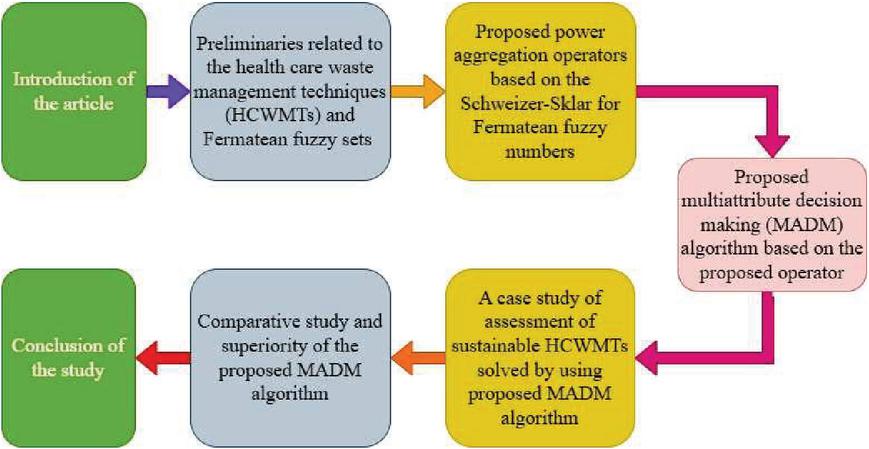
Figure 1: Graphical structure of the article outline.
2 Preliminaries
Definition 2.1. [30] A Fermatean fuzzy set in finite universe of discourse is defined as follows:
| (1) |
where represents the membership degree of and represents the non-membership degree of such that for all . The hesitancy degree of in is given by . Usually, the pair is called FFN.
Definition 2.2. [30] The score function of a FFN is defined as follows:
| (2) |
where .
Definition 2.3. [30] The accuracy function of a FFN is defined as follows:
| (3) |
where .
Definition 2.4. [30] If and be any two FFNs, then
(1) If then ;
(2) If then ;
(3) If then
(i) If then ;
(ii) If then ;
(iii) If , then .
Definition 2.5. [33] The power average (PA) AO for real numbers , , , is defined as follows:
| (4) |
where , and denotes the support degree for from , which satisfies the following properties:
(i) ;
(ii) ;
(iii) if .
Definition 2.6. [28] Let and be two real numbers and . The Schweizer-Sklar’s t-norm and t-conorm are defined as follows:
Definition 2.7. [32] Let , be any two FFNs. The operation laws of FFNs based on Schweizer-Sklar t-norm and t-conorm are defined as follows:
(i) ;
(ii) ;
(iii) ;
(iv) ;
where and .
3 Proposed Schweizer-Sklar Power Aggregation Operators for FFNs
In this segment, we propose Fermatean fuzzy Schweizer-Sklar power averaging (FFSSPA) AO and Fermatean fuzzy Schweizer-Sklar power weighted averaging (FFSSPWA) AO based on the Schweizer-Sklar operations presented in Definition 2.7 and the PA AO shown in Definition 2.5.
Definition 3.1. Let be a collection of FFNs. The proposed FFSSPA AO for aggregating the FFNs is defined as follows:
| (5) |
where , represents the support for from , which satisfies the following properties:
(i) ,
(ii) ,
(iii) if .
Theorem 3.1. For the FFNs , , , , their aggregated value by using the proposed FFSSPA AO is a FFN and provided as follows:
where , , .
Proof 3.1. Let , , , be FFNs, and . To demonstrate this theorem, we use the mathematical induction principle as follows:
(i) Take , then by using Definition 2.7, we get
Thus, the result in Equation (3.1) is true for .
(ii) Now, assume the result is true for .
(iii) Now, consider , we get
Thus, the result in Equation (3.1) holds for .
Hence, the result in Equation (3.1) is true for all natural numbers.
Example 3.1. Let , and be any three FFNs. First, we calculate the supports values between the FFNs and as follows:
After that, we calculate and of the FFNs and , respectively, where ,
Now, we calculate and for the FFNs and , respectively, where , and .
Now, by using Equation (3.1), we aggregate the FFNs and , for ,
Property 3.1 (Idempotency). Let , , , be FFNs. If , then FFSSPA.
Proof 3.2.
Property 3.2 (Monotonicity). Let and , , be two collections of FFNs. If , then
Proof 3.3. By using Equation (3.1), we get
Since , therefore we have and , which implies that . Because therefore . Now, we have
Similarly, if , we obtain
Thus, we get .
Property 3.3 (Boundedness). Let , be FFNs, , . Then
Proof 3.4. Since , , then for . Thus, by using monotonicity property, we have
Now, by using idempotency property, we have
| (7) |
Similarly,
| (8) |
Combining Equations (7) and (8), we get
3.1 The FFSSPWA Aggregation Operator
Definition 3.2. Let be a collection of FFNs and be the weights of , respectively, such that and . The proposed FFSSPWA AO for aggregating is defined as follows:
| (9) |
where , denotes the support between the FFNs from , which satisfying the following properties:
(i) ,
(ii) ,
(iii) if .
Theorem 3.2. For the FFNs , , , , their aggregated value by using the proposed FFSSPWA AO is a FFN and provided as follows:
| (10) |
where , , is the weight of such that , , and .
Proof 3.5. The proof of this theorem is similar to the proof of Theorem 3.1.
Example 3.2. Let , and be any three FFNs with weights and , respectively. First, we calculate the support values between the FFNs and as follows:
After that, we calculate and of the FFNs and , respectively, where ,
Now, we calculate and for the FFNs and , respectively, where , and .
Now, by using Equation (3.2), we aggregate the FFNs and , for , as follows:
Property 3.4 (Idempotency). Let , , , be FFNs with weights and , respectively, where and . If , then FFSSPWA.
Proof 3.6.
Property 3.5 (Monotonicity). Let and , , be two collections of FFNs with weight of FFN , where and . If , then
Proof 3.7.
Since , , , (since )
similarly, if , we obtain
Because , , we get
Property 3.6 (Boundedness). Let , , , be FFNs with weights and , respectively, where and , , . Then
Proof 3.8. Since , , then for . Thus, by using monotonicity property, we have
By using idempotency, we have
| (11) |
Similarly,
| (12) |
Combining Equations (11) and (12), we get
4 The Proposed MADM Algorithm Based on the Proposed FFSSPWA AO of FFNs
In this section, we propose a new MADM algorithm based on FFSSPWA AO under FFNs environment. Let be alternatives and be attributes with weights , , , , where and . Expert assess the alternative with respect to attribute by utilizing the FFN , where and , to construct the decision-matrix (DMx) =, shown as below:
The proposed MADM algorithm has the following steps:
Step 1: Convert the DMx into normalized DMx (NDMx) as follows:
| (13) |
where and .
Step 2: Calculate the support measure between the FFNs and as follows:
| (14) |
where and .
Step 3: Calculate the support value corresponding to each FFN as follows:
| (15) |
Step 4: Based on the support value , we obtain the weight of the FFN as follows:
| (16) |
Step 5: By utilizing the proposed FFSSPWA AO, we aggregate the FFNs ,,, to get the overall FFN of the alternative , shown as follows:
where .
Step 6: By using Equations (2) and (3), we obtain the score value and accuracy value , respectively, of the overall FFN of alternative , shown as follows:
| (18) | |||
| (19) |
Step 7: By using Definition 2.4, score values , , , and accuracy values , , , , obtain the ranking order (RO) of the alternatives , , , , and choose the best alternative.
Figure 2 represents comprehensive flow chart of the proposed MADM algorithm.

Figure 2: Flowchart of the proposed MADM algorithm.
5 Case Study of the Proposed MADM Algorithm
In this section, we consider a mathematical case study of selection of optimal healthcare waste management methods. This mathematical case study shows how much easier it is to apply the proposed MADM algorithm in real life to select the most appropriate HCWMT, which is a very important process to maintain public health and environmental security. Effective waste management has been identified as one of the most important practices in the healthcare industry over the past few years.
Example 5.1. Activities related to healthcare are essential for preserving and regaining health as well as saving lives. The trash and byproducts produced by these operations, however, present a serious problem. Like household garbage, around of the waste generated by healthcare operations is ordinary, non-hazardous waste. The remaining is classified as hazardous material, which might be radioactive, poisonous, infectious, combustible, corrosive, reactive, or carcinogenic [8]. Although approximately 16 billion vaccinations are given annually worldwide, not all syringes and needles are disposed away appropriately after use. It is crucial to take the right precautions for the safe and ecologically conscious handling of healthcare waste (HCW). These precautions aid in preventing possible environmental damage and health dangers, such as the unintentional discharge of biological or chemical threats. HCW and by-products consist of a diverse range of materials, such as:
Types of the Health Care Waste
In the following, this paper outlines the various types of health care waste [11, 26].
Infectious waste is the waste that is believed to contain pathogens and may spread disease. This refers to waste and wastewater containing blood and bodily fluids, along with extremely infectious materials like laboratory cultures, microbiological samples, and waste from items used with patients with highly contagious diseases in isolation units.
Medical waste: Includes human tissues, organs, body parts, fetuses, unused blood products, and contaminated animal carcasses.
Waste involving sharps: Includes both used and unused sharp items like hypodermic needles, IV needles, auto-disable syringes, syringes with needles, infusion sets, scalpels, pipettes, knives, blades, and shattered glass. Chemical waste comprises of solvents and reagents utilized in lab experiments, disinfectants, sterilants, as well as heavy metals present in medical equipment (such as mercury in damaged thermometers) and batteries.
Pharmaceutical and cytotoxic waste includes pharmaceuticals that have expired or are not used, along with items that have been contaminated by or contain pharmaceuticals. Cytotoxic waste consists of substances that have genotoxic properties, like waste containing cytostatic drugs (often used for cancer treatment) or genotoxic chemicals.
Radioactive waste refers to items that have been tainted with radionuclides, such as radioactive diagnostic tools or radiotherapeutic drugs.
Non-dangerous or ordinary waste: Includes waste that lacks noteworthy biological, chemical, radioactive, or physical hazards.
Figure 3 represents the various types of the health care wastes.
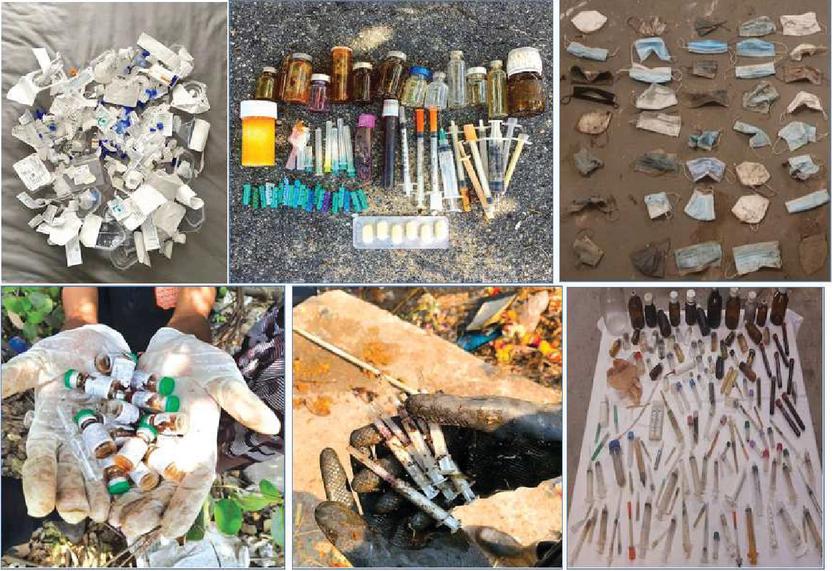
Figure 3: Graphical representation of the health care waste.
Origins of the Health Care Wastes
In the following, some main sources of the generation of the health care waste are given:
1. Medical centers and other healthcare institutions
2. Labs and research facilities
3. Funeral homes and morgues
4. Laboratories conducting research and testing on animals
5. Services for collecting and storing blood
6. Care facilities for senior citizens
Health Care Waste Management Technologies
In developed nations, there is approximately 0.5 kg of hazardous waste produced daily per hospital bed, whereas in developing nations, the average is 0.2 kg per bed. Yet, in developing nations, health care waste is frequently not categorized into hazardous or non-hazardous wastes, leading to an inflated amount of hazardous waste. HCW has a detrimental impact on the environment through pollution, soil and water contamination, as well as the release of harmful emissions. Hence, it is crucial to have efficient waste management in order to minimize these negative effects. Proper waste segregation at the source, compliance with regulations, and comprehensive training for healthcare workers are vital in achieving this goal. Highlighting the importance of sustainable practices, such as recycling and reducing single-use items, is essential as well. Nevertheless, it is crucial to understand that recycling alone is not a complete answer to the problem. Investing in modern treatment technologies such as autoclaving and incineration is essential for efficient management of healthcare waste and reducing related environmental and health hazards. Following an initial assessment, five potential alternatives of healthcare waste management technologies (HCWMTs) are determined: “ Mechanical Biological Treatment” , “Hydrothermal Carbonization” , “Incineration” , “Microwaving” , and “Chemical Disinfection” . A brief discussion about these HCWMTs is given below:
Alternatives Description
Mechanical Biological Treatment (MBT) [25]: MBT is a waste processing technology combining mechanical sorting with biological treatment processes to reduce the volume of waste and recover useful materials, while minimizing the environmental impact of waste disposal. MBT in the management of municipalities and health care wastes will be effectively managed by diverting waste away from landfills as well as by recovering valuable resources such as energy, compost, or other recyclable material.
Hydrothermal Carbonization (HTC) [22]: HTC is a promising technology that can be used to address many of the challenges associated with the management of HWM in healthcare facilities. Healthcare facilities produce a great deal of waste–while much of it is organic, such as food waste, paper, and some medical materials, it also includes hazardous materials, such as sharps, pharmaceutical wastes, and biohazardous materials. The HTC can be very useful for the treatment of specific types of healthcare waste, especially organic waste, and sewage sludge, where it reduces environmental impacts while promoting sustainability.
Incineration [22]: Incineration is the process of burning the biomedical waste to convert it into gases and ash that are hard to burn again. The non-burnt ash left after the treatment is disposed of in a landfill. This combustion process can effectively break down waste materials, including elements like carbon, hydrogen, oxygen, sulfur, chlorine, and others, depending on the waste composition and the efficiency of the incinerator system. The process yields flue gases; these are generally harmless carbon dioxide, water, and nitrogen. However, it also emits poisonous emissions in the form of acidic gases such as sulfur oxides, acids, and nitrogen; toxic materials include heavy metals, dioxins, and furans. Incinerators incorporate air pollution control devices (APCDs) to ensure the best possible removal of contaminants from flue gases in order to minimize the impact of these pollutants on the environment. Waste volume is reduced by about 80-85% via incineration.
Microwaving [27]: Microwave energy is deployed to treat medical wastes and wastewater sludge. To achieve a better microwave treatment, as well as to bring down the quantity of solid waste for disposal, the wastes are normally shredded and pre-moistened. A microwave unit directly heats the wet waste by deploying microwaves, unlike an autoclave that can be used to heat waste externally, just like a conventional oven. However, microwave treatment is not appropriate for contaminated animal carcasses, large metal objects, or hazardous waste such as cytotoxic, toxic, or radioactive materials. The advantage of microwaving lies in the fact that there is no requirement for steam and electricity usage is very low.
Chemical Disinfection [16]: Chemical disinfection mainly applies to liquid waste including blood, urine, feces, or sewage from healthcare facilities. It can further be used to disinfect microbiological cultures, contaminated sharps, or shredded. Normally, chemical disinfectants such as sodium hypochlorite, calcium hypochlorite, and chlorine dioxide are mixed with the waste and left to act for a predetermined period. This method functions by breaking down organic matter and inactivating infectious microorganisms. Chemical disinfection is generally considered adequate when the volume of waste is relatively small.
Attributes Descriptions
HCWMTs for HCW management are evaluated using seven attributes “Environmental hazard” , “Health risk” , “Investment cost” , “Operation and maintenance cost” , “Revenue generation” , “Public acceptance” and “Requirement of skilled labor” . These attributes are identified through literature review and discussion with experts. A brief summary of these attributes is given as follows:
(i) “Environmental hazard” [16]: Environmental hazards serve as essential criteria for evaluating potential risks, including air pollutants, emissions of greenhouse gases, and toxic residues from burning or chemical processes. This assessment ensures the selection of HCWTTs that minimize harm to ecosystems and human health while optimizing energy efficiency.
(ii) “Health risk” [25]: Potentially dangerous microbes found in HCW have the potential to infect HCW management personnel, and members of the public. Drug-resistant bacteria that escape from medical institutions and into the environment could be additional risks.
(iii) “Investment cost” [11]: The cost of investment directly affects project feasibility, shaping budget allocation, financing alternatives, and return on investment assessments. This approach enables stake holders to prioritize cost-effective HCWTTs that enhance long-term financial benefits and promote sustainable waste management practices.
(iv) “Operation and maintenance cost” [12]: Because they affect ongoing financial obligations, operational efficiency, and profitability during the facility’s lifetime, operation and maintenance expenses are important economic factors.
(v) “Revenue generation” [25]: HCW management may become a money-generating endeavor since revenue production balances initial investment and operating expenses. By utilizing resource recovery and energy production to improve economic viability and promote long-term financial sustainability in HCW management systems, it encourages sustainable behaviors.
(vi) “Public acceptance” [26]: Considers the general public’s approval and support of HCWT methods.
(vii) “Requirement of skilled labor” : [12] The need for skilled labor affects community empowerment, local economic growth, and job creation by providing chances for specialized training and employment. It fosters community-based sustainable livelihoods and improves workforce skills.
Furthermore, the HCWMTs , , , and are evaluated under the seven attributes “Environmental hazard” , “Health risk” , “Investment cost” , “Operation and maintenance cost” , “Revenue generation” , “Public acceptance” and “Requirement of skilled labor” by the decision making expert (DMEx), where the weights of the attributes are and , respectively. The DMEx uses a FFN to assess the alternative under the attribute , to assemble the DMx =, shown as follows:

To solve this case study, we utilize the proposed MADM algorithm, which is illustrated below:
Step 1: Since the attributes , , and are cost kind, and , and are benefit kind, therefore by using Equation (13), we obtain NDMx , where

Step 2: By using Equation (14), we calculate the support measures between the FFNs and as follows: , , , , , .
Step 3: By using Equation (15), we obtain the support value of of the FFNs as follows:
Step 4: By using Equation (16), we calculate the weight of the FFN , where
Step 5: By utilizing proposed FFSSPWA AO given in Equation (Step 5:), we obtain the overall FFN of the alternatives , where , , , , , and .
Step 6: By using Equation (18), we obtain the score values , , , , of the alternatives , , , and , respectively.
Step 7: Because where and , the RO of the alternatives , , , and is . Therefore, “Chemical Disinfection” is the best HCWMT among the “ Mechanical Biological Treatment” , “Hydrothermal Carbonization” , “Incineration” , “Microwaving” , and “Chemical Disinfection” for this mathematical case study.
5.1 Comparative Analysis with Existing MADM Algorithms
In the following, we compare the ROs of the HCWMTs “ Mechanical Biological Treatment” , “Hydrothermal Carbonization” , “Incineration” , “Microwaving” , and “Chemical Disinfection” for the Example 5.1 obtained by the proposed MADM algorithm with the Senapati and Yager’s [29] MADM algorithms based on FFWA AO and FFPWA AO, Alghazzawi et al.’s [2] MADM algorithm based on FFOWA AO, Garg et al.’s [14] MADM algorithm based on FFYWA AO to show the practical applicability and validity of the proposed MADM algorithm.
Table 1 and Figure 4 present a comparison of the ROs of HCWMTs “ Mechanical Biological Treatment” , “Hydrothermal Carbonization” , “Incineration” , “Microwaving” , and “Chemical Disinfection” obtained by the proposed MADM algorithm, Senapati and Yager’s [29] MADM algorithms based on FFWA AO and FFPWA AO, Alghazzawi et al.’s [2] MADM algorithm based on FFOWA AO, Garg et al.’s [14] MADM algorithm based on FFYWA AO for the Example 5.1.
Table 1: A comparative analysis of ROs of the alternatives obtained by various MADM algorithms for Example 5.1
| MADM Algorithms | ROs | |
| M1 | MADM algorithm based on FFWA AO [29] | |
| M2 | MADM algorithm based on FFPWA AO [29] | |
| M3 | MADM algorithm based on FFOWA AO [2] | |
| M4 | MADM algorithm based on FFYWA AO [14] | |
| M | Proposed MADM algorithm |
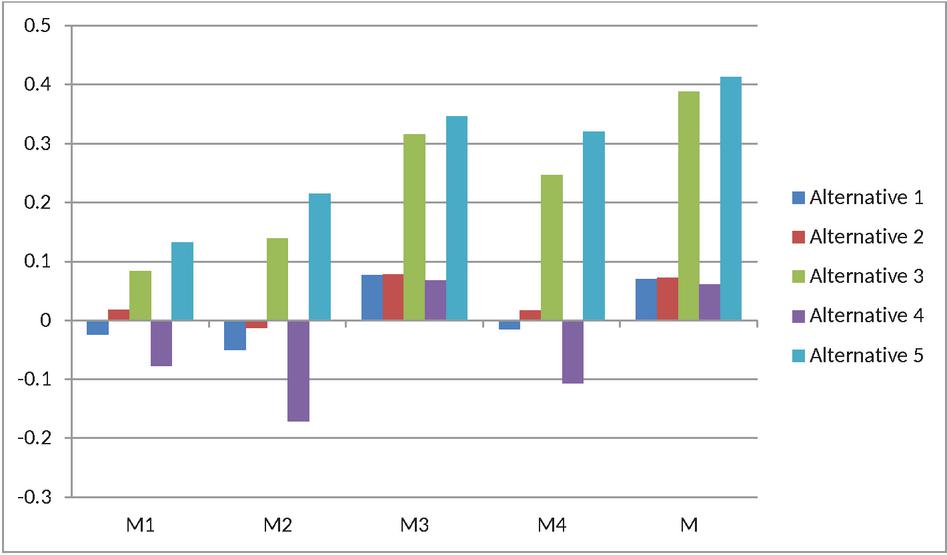
Figure 4: Graphical comparison of ROs obtained by various MADM algorithms for Example 5.1.
It is clear from Table 1 and Figure 4 that the proposed MADM algorithm, Senapati and Yager’s [29] MADM algorithms based on FFWA AO and FFPWA AO, Alghazzawi et al.’s [2] MADM algorithm based on FFOWA AO, Garg et al.’s [14] MADM algorithm based on FFYWA AO obtain the same RO “” of the HCWMTs “ Mechanical Biological Treatment” , “Hydrothermal Carbonization” , “Incineration” , “Microwaving” , and “Chemical Disinfection” . Therefore, “Chemical Disinfection” is the best HCWMT among the “ Mechanical Biological Treatment” , “Hydrothermal Carbonization” , “Incineration” , “Microwaving” , and “Chemical Disinfection” for the sustainable HCW management in the case study given in Example 5.1. This validates the reliability and robustness of the proposed MADM algorithm.
6 Advantages of the Proposed MADM Algorithm Over the Existing MADM Algorithms
In the following, we consider two numerical MADM examples to highlights the superiority and efficacy of the proposed MADM algorithm as compared to existing MADM algorithms presented by Senapati and Yager [29], Alghazzawi et al. [2], and Garg et al. [14].
Example 6.1. Let , , and be four alternatives, and , , and be four benefit type attributes with the weights , , and . DMEx evaluates the alternatives and with respect to attributes , , and by using FFNs to obtain the DMx as shown follows:
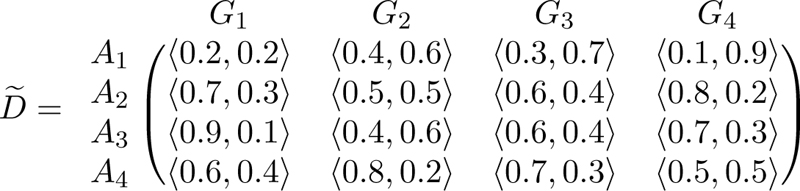
To solve this MADM problem, we use the proposed MADM algorithm, Senapati and Yager’s [29] MADM algorithms based on FFWA AO and FFPWA AO, Alghazzawi et al.’s [2] MADM algorithm based on FFOWA AO, Garg et al.’s [14] MADM algorithm based on FFYWA AO, and obtained ROs are summarized in Table 2 and Figure 5.
Table 2: A comparative analysis of ROs of the alternatives obtained by various MADM algorithms for Example 6.1
| MADM Algorithms | ROs | |
| M1 | MADM algorithm based on FFWA AO [29] | |
| M2 | MADM algorithm based on FFPWA AO [29] | |
| M3 | MADM algorithm based on FFOWA AO [2] | |
| M4 | MADM algorithm based on FFYWA AO [14] | |
| M | Proposed MADM algorithm |
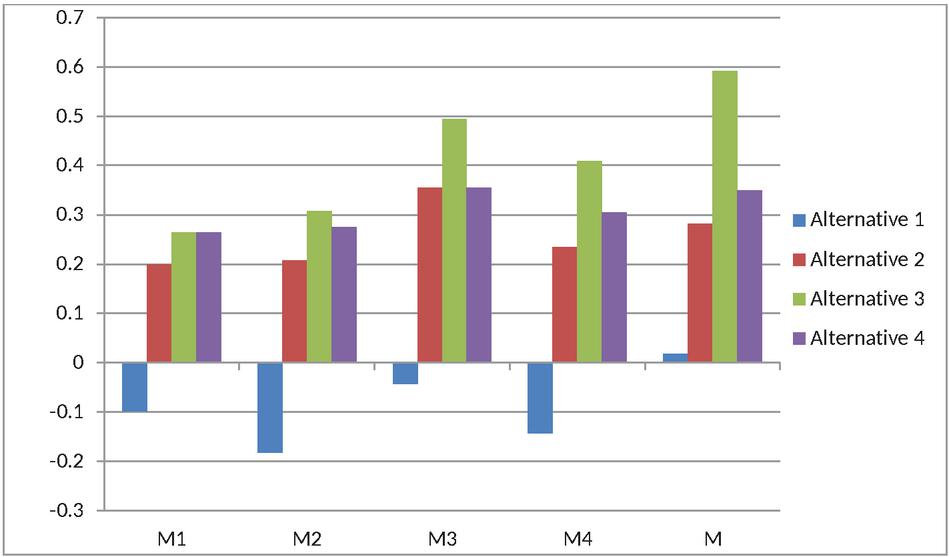
Figure 5: Graphical comparison of ROs derived by various MADM algorithms for Example 6.1.
It is clear from Table 2 and Figure 5 that the Senapati and Yager’s [29] MADM algorithm based on FFWA AO obtains the RO “”, where it cannot distinguish the RO between the alternatives and . Similarly, Alghazzawi et al.’s [2] MADM algorithm based on FFOWA AO obtains the RO “”, where it cannot distinguish the RO between the alternatives and . While, the proposed MADM algorithm, Garg et al.’s [14] MADM algorithm based on FFYWA AO and Senapati and Yager’s [29] MADM algorithm based on FFPWA AO obtain the same RO “” for the alternatives ,, and . Therefore, the proposed MADM approach can overcome the limitations of Senapati and Yager’s [29] MADM algorithm based on FFWA AO and Alghazzawi et al.’s [2] MADM algorithm based on FFOWA AO in this case.
Example 6.2. Let , , and be four alternatives, and , , and be four benefit type attributes with the weights , , and . DMEx evaluates the alternatives , , and with respect to attributes , , and by using FFNs to obtain the DMx as shown follows:

To solve this MADM problem, we use the proposed MADM algorithm, Senapati and Yager’s [29] MADM algorithms based on FFWA AO and FFPWA AO, Alghazzawi et al.’s [2] MADM algorithm based on FFOWA AO, Garg et al.’s [14] MADM algorithm based on FFYWA AO, and obtained ROs are summarized in Table 3 and Figure 6.
Table 3: A comparative analysis of ROs of the alternatives obtained by various MADM algorithms for Example 6.2
| MADM Algorithms | ROs | |
| M1 | MADM algorithm based on FFWA AO [29] | |
| M2 | MADM algorithm based on FFPWA AO [29] | |
| M3 | MADM algorithm based on FFOWA AO [2] | |
| M4 | MADM algorithm based on FFYWA AO [14] | |
| M | Proposed MADM algorithm |
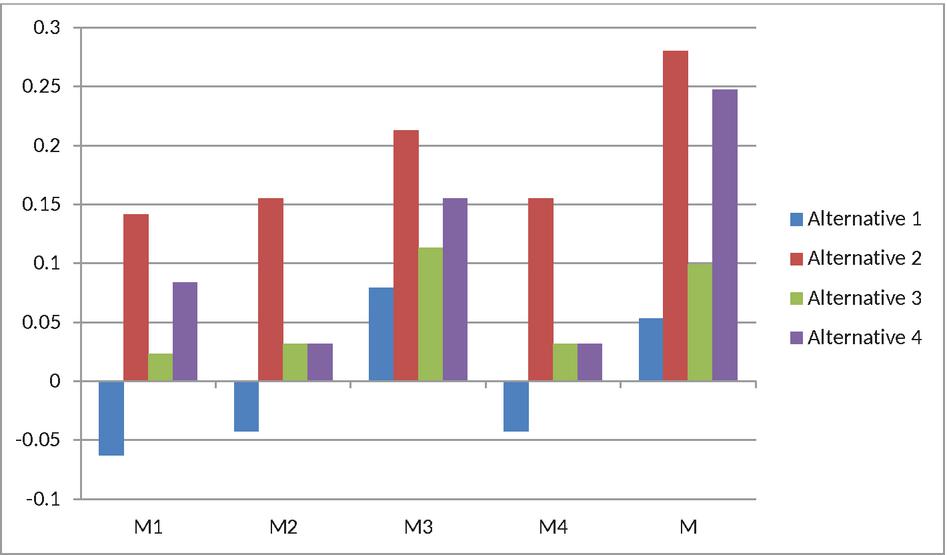
Figure 6: Graphical comparison of ROs derived by various MADM algorithms for Example 6.2.
It is clear from Table 3 and Figure 6 that the Senapati and Yager [29]’s MADM algorithm based on FFPWA AO and Garg et al.’s [14] MADM algorithm based on FFYWA AO obtain the same RO “” of the alternatives , , and , where these MADM algorithms cannot distinguish the RO between the alternatives and . While, the proposed MADM approach, Alghazzawi et al.’s [2] MADM algorithm based on FFOWA AO and Senapati and Yager’s [29] MADM algorithm based on FFWA AO obtain the same RO “” for the alternatives , , and . Therefore, the proposed MADM algorithm can overcome the limitations of Senapati and Yager’s [29] MADM algorithm based on FFPWA AO and Garg et al.’s [14] MADM algorithm based on FFYWA AO in this case.
7 Conclusion
The health care waste (HCW) generated from the hospitals and other health care facilities create a high risks to health care personnel, patients, the public, and the environment. Therefore, a suitable sustainable management of the HCW is necessary to reduce the human and environmental risk. For this, the selection of the optimal HCW management technique (HCWMT) is an important task. Therefore, we have proposed a MADM algorithm in the context of FFNs to find the best sustainable HCWMT. For this, we have proposed FFSSPA AO and FFSSPWA AO for aggregating the FFNs based on the power averaging AO and Schweizer-Sklar’s norm. Moreover, we have proposed a MADM algorithm based on the proposed FFSSPWA AO for FFNs. Afterwards, we have illustrated the proposed MADM algorithm by conducting a mathematical case study for the assessment of sustainable HCWMTs that considered the five HCWMTs: “Mechanical Biological Treatment”, “Hydrothermal Carbonization”, “Incineration”, “Microwaving”, and “Chemical Disinfection” to show the applicability of the proposed MADM algorithm. To show the robustness and validity of the results, we have compared the RO of the alternatives obtained using the proposed MADM algorithm with the ROs obtained from the existing MADM algorithms. From Example 6.1 and Example 6.2, it is clear that the proposed MADM algorithm can overcome the disadvantages of the MADM algorithm based on FFWA AO [29], MADM algorithm based on FFPWA AO [29], MADM algorithm based on FFOWA AO [2] and MADM algorithm based on FFYWA AO [14], which are unable to distinguish the ROs of the alternatives. The proposed FFSSPA AO, FFSSPWA AO, and proposed MADM algorithm fail to account for the priority order among various attributes, despite its objective existence in numerous real-world scenarios. Various generalizations and extensions of the FFNs also exist in the literature. Apart from that, the proposed MADM approach cannot solve the group decision making problems whereas group decision-making is frequently involved in real-life scenarios, the study solely considers a single decision-maker. Therefore, in the future, the proposed FFSSPA AO, FFSSPWA AO, and proposed MADM algorithm will be extended to other environments such as p, q-quasirung orthopair fuzzy sets [27], neutrosophic sets [13], bipolar complex fuzzy sets [21], probabilistic linguistic sets [15], etc., by integrating some innovative features such as prioritized, partitioned, and induced information. We can also expand this in the future to include a group decision-making process based on the proposed FFSSPWA AO in the FFNs environment.
References
[1] Akram M, Shahzadi G, Ahmadini AAH (2020) Decision-making framework for an effective sanitizer to reduce covid-19 under Fermatean fuzzy environment. Journal of Mathematics 2020(1):3263,407
[2] Alghazzawi D, Noor A, Alolaiyan H, Khalifa HAEW, Alburaikan A, Xin Q, Razaq A (2024) A novel perspective on the selection of an effective approach to reduce road traffic accidents under Fermatean fuzzy settings. PLoS one 19(5):e0303,139, DOI: 10.1371/journal.pone.0303139
[3] Amman M, Rashid T, Ali A (2023) Fermatean fuzzy multi-criteria decision-making based on Spearman rank correlation coefficient. Granular Computing 8(6):2005–2019
[4] Atanassov KT (1986) Intuitionistic fuzzy sets. Fuzzy Sets and Systems 20(1):87–96
[5] Aydemir SB, Yilmaz Gunduz S (2020) Fermatean fuzzy TOPSIS method with Dombi aggregation operators and its application in multi-criteria decision making. Journal of Intelligent & Fuzzy Systems 39(1):851–869
[6] Bhardwaj R, Sharma A, Mani N, Kumar K (2022) An intuitionistic fuzzy entropy measure and its application in multi-attribute decision making with incomplete weights information. In: Handbook of Research on Advances and Applications of Fuzzy Sets and Logic, IGI Global, pp 324–338
[7] Chakraborty S, Saha AK (2023) Novel fermatean fuzzy Bonferroni mean aggregation operators for selecting optimal health care waste treatment technology. Engineering Applications of Artificial Intelligence 119:105,752
[8] Chauhan A, Singh A (2016a) Healthcare waste management: a state-of-the-art literature review. International Journal of Environment and Waste Management 18(2):120–144
[9] Chauhan A, Singh A (2016b) A hybrid multi-criteria decision making method approach for selecting a sustainable location of healthcare waste disposal facility. Journal of Cleaner Production 139:1001–1010
[10] Chen W, Zeng S, Zhang E (2023) Fermatean fuzzy IWP-TOPSIS-GRA multi-criteria group analysis and its application to healthcare waste treatment technology evaluation. Sustainability 15(7):6056, DOI: 10.3390/su15076056
[11] Debbarma S, Chakraborty S, Saha AK (2024) Health care waste recycling concerning circular economy: a fermatean fuzzy aggregation operator-based SWARA–MABAC approach. Environment, Development and Sustainability pp 1–40
[12] Gao F, Han M, Wang S, Gao J (2024) A novel fermatean fuzzy BWM-VIKOR based multi-criteria decision-making approach for selecting health care waste treatment technology. Engineering applications of artificial intelligence 127:107,451
[13] Garg H (2020) Novel neutrality aggregation operator-based multiattribute group decision-making method for single-valued neutrosophic numbers. Soft Computing 24(14):10,327–10,349
[14] Garg H, Shahzadi G, Akram M (2020) Decision-making analysis based on fermatean fuzzy Yager aggregation operators with application in covid-19 testing facility. Mathematical Problems in Engineering 2020:1–16
[15] Gou X, Xu Z (2016) Novel basic operational laws for linguistic terms, hesitant fuzzy linguistic term sets and probabilistic linguistic term sets. Information Sciences 372:407–427
[16] Ho CC (2011) Optimal evaluation of infectious medical waste disposal companies using the fuzzy analytic hierarchy process. Waste management 31(7):1553–1559
[17] Hussain A, Ullah K, Pamucar D, Haleemzai I, Tatić D (2023) Assessment of solar panel using multiattribute decision-making approach based on intuitionistic fuzzy Aczel Alsina heronian mean operator. International Journal of Intelligent Systems 2023(1):6268,613
[18] Keshavarz-Ghorabaee M, Amiri M, Hashemi-Tabatabaei M, Zavadskas EK, Kaklauskas A (2020) A new decision-making approach based on fermatean fuzzy sets and WASPAS for green construction supplier evaluation. Mathematics 8(12):2202, DOI: 10.3390/math8122202
[19] Kumar K, Chen SM (2021) Multiattribute decision making based on the improved intuitionistic fuzzy Einstein weighted averaging operator of intuitionistic fuzzy values. Information Sciences 568:369–383
[20] Kumar K, Garg H (2018) Connection number of set pair analysis based TOPSIS method on intuitionistic fuzzy sets and their application to decision making. Applied Intelligence 48(8):2112–2119
[21] Mahmood T, Ur Rehman U (2022) A novel approach towards bipolar complex fuzzy sets and their applications in generalized similarity measures. International Journal of Intelligent Systems 37(1): 535–567
[22] Manupati VK, Ramkumar M, Baba V, Agarwal A (2021) Selection of the best healthcare waste disposal techniques during and post covid-19 pandemic era. Journal of Cleaner Production 281:125,175
[23] Mishra AR, Rani P (2021) Multi-criteria healthcare waste disposal location selection based on fermatean fuzzy WASPAS method. Complex & Intelligent Systems 7(5):2469–2484
[24] Mishra AR, Mardani A, Rani P, Zavadskas EK (2020) A novel EDAS approach on intuitionistic fuzzy set for assessment of health-care waste disposal technology using new parametric divergence measures. Journal of cleaner Production 272:122,807
[25] Pamučar D, Puška A, Simić V, Stojanović I, Deveci M (2023) Selection of healthcare waste management treatment using fuzzy rough numbers and Aczel–Alsina function. Engineering applications of artificial intelligence 121:106,025
[26] Rao CN, Sujatha M (2023) A consensus-based fermatean fuzzy WASPAS methodology for selection of healthcare waste treatment technology selection. Decision Making: Applications in Management and Engineering 6(2):600–619
[27] Redhu A, Bhardwaj R, Kumar K, Kaur G (2025) -quasirung orthopair fuzzy Schweizer-Sklar aggregation operators and their application in multi-attribute decision-making. Journal of Applied Mathematics and Computing https://doi.org/10.1007/s12190-025-02449-5
[28] Schweizer B, Sklar A (2011) Probabilistic metric spaces. Courier Corporation
[29] Senapati T, Yager RR (2019) Fermatean fuzzy weighted averaging/geometric operators and its application in multi-criteria decision-making methods. Engineering Applications of Artificial Intelligence 85:112–121
[30] Senapati T, Yager RR (2020) Fermatean fuzzy sets. Journal of Ambient Intelligence and Humanized Computing 11:663–674
[31] Shahzadi G, Zafar F, Alghamdi MA (2021) Multiple-attribute decision-making using fermatean fuzzy Hamacher interactive geometric operators. Mathematical Problems in Engineering 2021:1–20
[32] Wei D, Meng D, Rong Y, Liu Y, Garg H, Pamucar D (2022) Fermatean fuzzy Schweizer–Sklar operators and BWM-entropy-based combined compromise solution approach: an application to green supplier selection. Entropy 24(6):776, DOI: 10.3390/e24060776
[33] Yager RR (2001) The power average operator. IEEE Transactions on Systems, Man, and Cybernetics-Part A: Systems and Humans 31(6):724–731
[34] Yager RR (2013) Pythagorean membership grades in multicriteria decision making. IEEE Transactions on Fuzzy Systems 22(4):958–965
[35] Zadeh LA (1965) Fuzzy sets. Information and Control 8(3):338–353
Biographies

Pooja Yadav is working towards her Ph.D. degree with Amity School of Applied Sciences, Amity University Haryana, India. She has obtained her M.Sc. degree in applied mathematics from Amity University Haryana, India. Her research interest is in the field of fuzzy decision-making, Artificial Intelligence, information measures, and aggregation operators. She is also involved in applying advanced computational methods to real-world decision-making problems. Application areas include waste management challenges, renewable energy resource assessment, and industrial air pollution control.
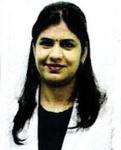
Reeta Bhardwaj is an Assistant Professor in the Department of Mathematics at the Amity School of Applied Sciences, Amity University Haryana, India. With a Ph.D. in Mathematics, specializing in Stochastic and Fuzzy Modelling from Amity University Haryana, she has developed expertise in decision-making algorithms and techniques using fuzzy sets and logic. With over 18 years of experience in teaching and research, she has significantly contributed to the academic community. She has published more than 50 research articles/book chapters/conference proceedings in prestigious SCOPUS/SCI journals, she has made significant contributions to the field of mathematics, particularly in the areas of queuing theory, fuzzy decision making and stochastic modeling. In addition to research, she actively contributes to the academic community by reviewing articles for reputed journals.
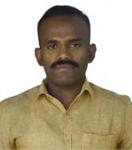
Subramanian Petchimuthu is a researcher in the field of decision sciences and fuzzy set theory. His research interests include multi-criteria decision-making (MCDM), aggregation operators, and fuzzy information systems. He has published research articles in reputed international journals and serves as a reviewer for several SCI/Scopus-indexed journals. His work focuses on the development of novel fuzzy models and their applications to real-world decision problems. He actively contributes to methodological advancements in intelligent decision-making frameworks.

Kamal Kumar is listed in top cited scientist list of Stanford university and Elsevier B.V. He is an Assistant professor at Amity University Haryana, Gurugram, India. Prior to joining this university, Dr. Kumar received his doctoral degree at Thapar Institute of Engineering Technology Patiala, Punjab, India in 2020. He obtained his master’s degree in mathematics during 2012 - 2014. He has more than 9 years of teaching experience in different subjects of Engineering Mathematics and Statistics. He teaches Fuzzy Set Theory, Optimization techniques and Statistics at under-graduate and post-graduate levels. His current research interest is in fuzzy decision making, aggregation operators, soft computing, and uncertainty theory. He has published more than 60 international articles in different reputed SCI journals, including the Information Sciences, Transactions on Fuzzy Systems, Soft Computing, Artificial Intelligence Review, Applied Intelligence, Arabian Journal for Science and Engineering, etc. He has published two articles in the journal The Lancet with impact factor 88.5. He has published an edited book in CRC press. He has also published 5 book chapters and 3 patents. His Google citation is over 2500 with h-index 23 and i10 index 30. He is an associate editor in the journal “PLOS one”, “Journal of Applied Mathematics” and “International journal of mathematical engineering and management sciences”. He has been a reviewer for some prestigious journals of Elsevier, Springer, Taylor Francis.
Journal of Graphic Era University, Vol. 14_1, 205–250
doi: 10.13052/jgeu0975-1416.1417
© 2026 River Publishers